Category: Astrophotography

March 18, 2009

March 17, 2009

March 15, 2009

Charles Messier and the Messier Objects

Filed under: astronomy, Astrophotography, Messier Objects, Podcast — Ed @ 7:10 pm

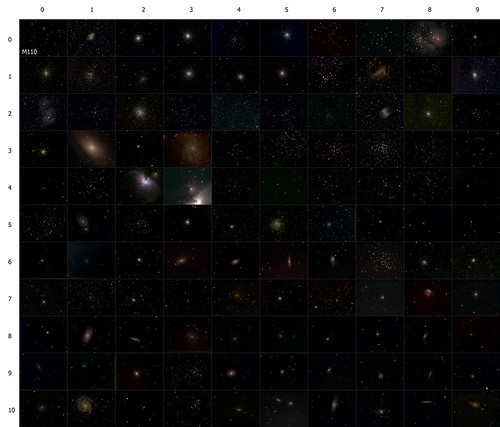
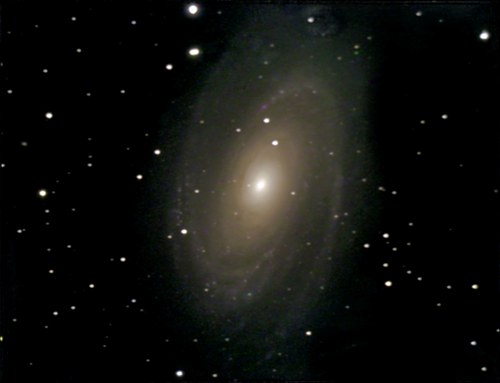
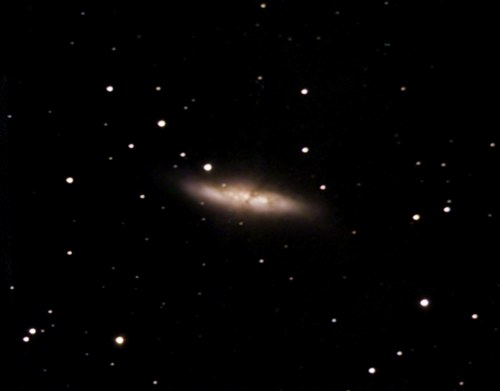
Today is another of my podcasts found at 365 days of Astronomy, here. My topic is one of my favorite things about the night sky, the Messier Objects. While my podcast pretty much gives an overview of who Charles Messier was and what his objects are, I thought I'd have a post showing some of my favorite objects. Last year, I actually imaged all 110 of the Messier Objects. Those images can be seen here. All of those images were taken using the same setup, so they are roughly comparable one to another (although each of them was stretched a bit differently). The following images all have different exposure times, but show off some of my favorites:

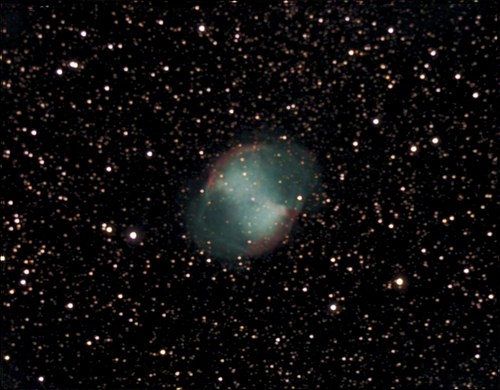
The Dumbbell Nebula, M27, is probably my favorite planetary nebula in the Messier Catalog. It's big, easy to see and wonderful to image.

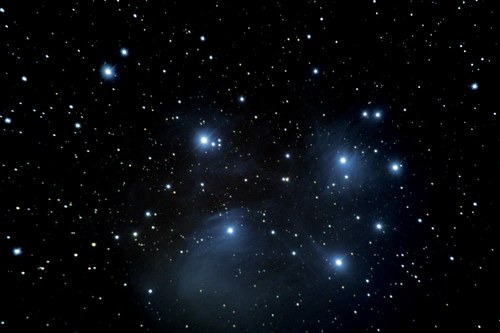
M45-The Pleiades, also known as the Seven Sisters, is my favorite open cluster. It also has quite a wonderful reflection nebula surrounding it.

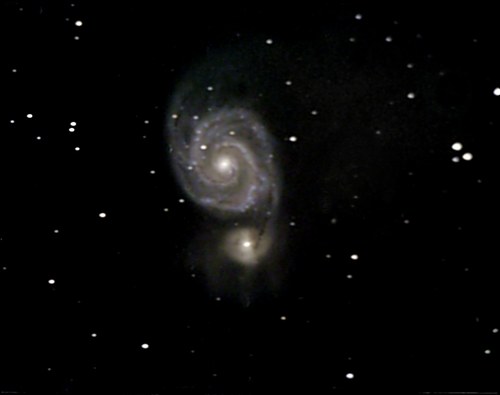
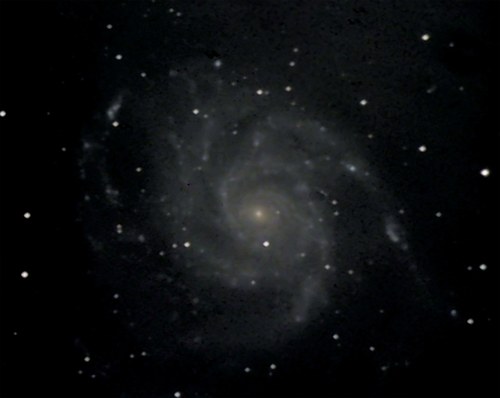
M51, the Whirlpool Galaxy, is a wonderful target particularly for imaging.

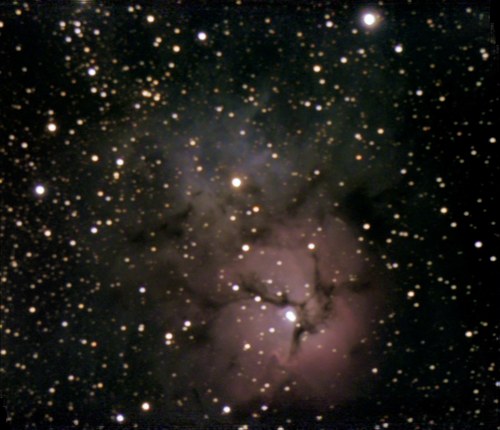
M20, the Trifid Nebula is a beautiful emission and reflection nebula found in Sagittarius.

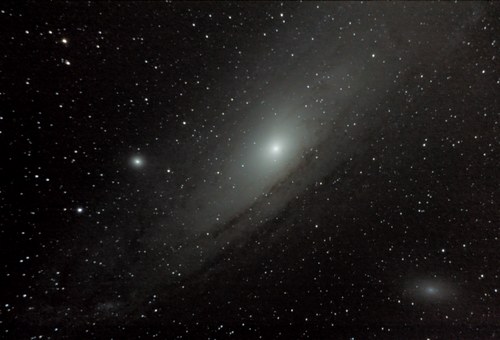
M31, the Andromeda Galaxy, is a wonderful galaxy that is visible, under dark skies, to the naked eye.

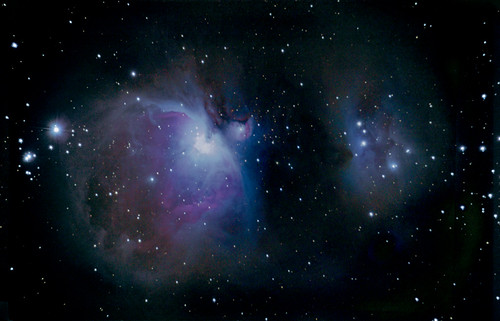
M42, the Great Orion Nebula, is also a naked eye visible Messier Object. It's one of the most wondeful targets to view or image with a telescope.

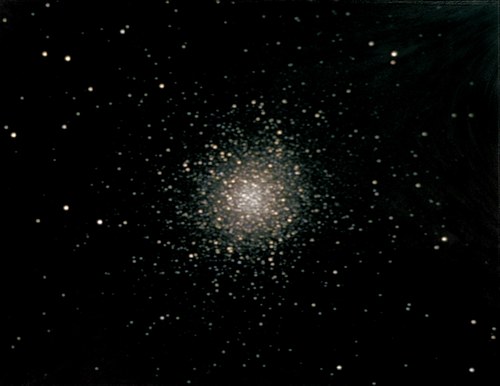
M13, the Great Hercules Cluster, is my favorite among the globular clusters. It's easy to find and just is wonderful through the scope.

These are just a sample of the 110 wonderful objects found in Charles Messier's catalog. I hope folks go out and try to see them all. It's worth the effort.
March 7, 2009

March 6, 2009

March 5, 2009

Lunar Mountains on 3/4/09

Filed under: astronomy, Astrophotography, Moon, Observation Journal — Ed @ 1:05 am

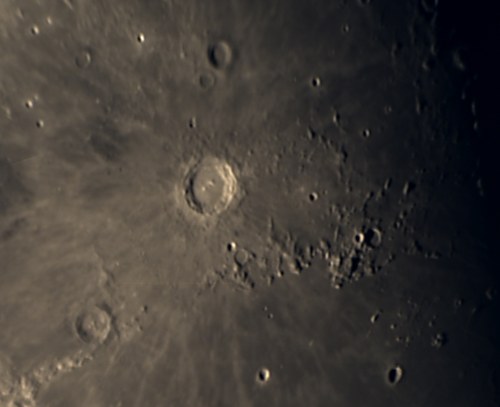
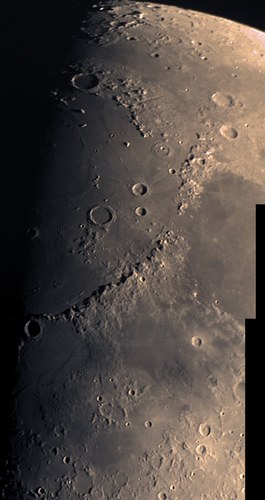
Tonight I just concentrated on the Moon. I particularly focused on the three mountain ranges in the image above. The Alps, Caucasus and Appanines are found among the craters of the Moon. If you click on the image, you can see a highly annotated version, noting most of the craters,seas and mountains. And if you go to the largest version, you can see a number of peaks casting their own shadows. The shadow of the rim of Crater Plato in the upper left is really quite interesting. The crazy thing is that as detailed as this image is, it's much more detailed through the eyepiece.

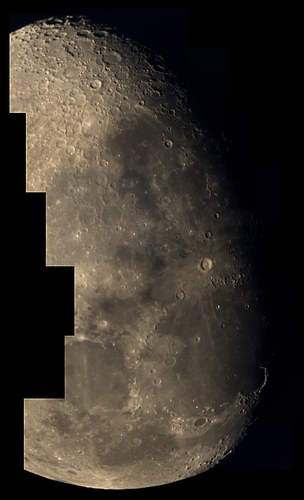
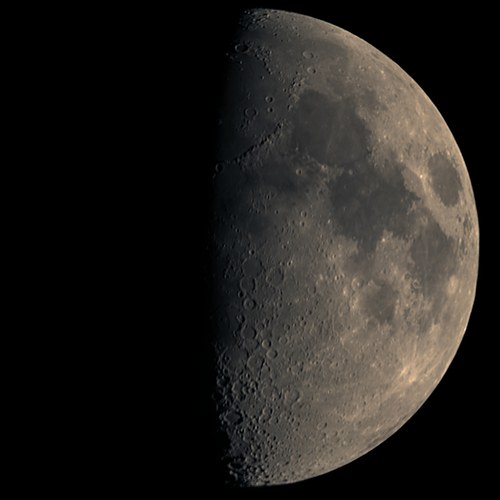
I also got a shot of the Moon in its entirety:

February 24, 2009

Comet Lulin on 2/24/09

This image of Comet Lulin is a stack of 60 images taken from 11:56pm until 12:27am. The comet is now at its closest point to Earth, about 38 million miles, which is really not that far. It will probably start to fade a bit soon, so you should try to view it if you can. I was able to see it with binoculars in the southeastern sky around 9:30.

M51-The Whirlpool Galaxy on 2/23/09

Filed under: astronomy, Astrophotography, Messier Objects, Observation Journal — Tags: M51 — Ed @ 2:37 am

Tonight, I decided to see if I could get guiding to work and, at least in the northern part of the sky, I could. The image above, of M51-The Whirlpool Galaxy, is actually a slightly shorter exposure than Friday's image. But, I was able to use 2 minute subs to stack it and as a result, I was able to pull out quite a bit more detail. I did not have as much success with guiding in the southern part of the sky on M104. When I tried that, I had real problems. I'll probably put a post on cloudynights.com about it and see if anyone has any advice.