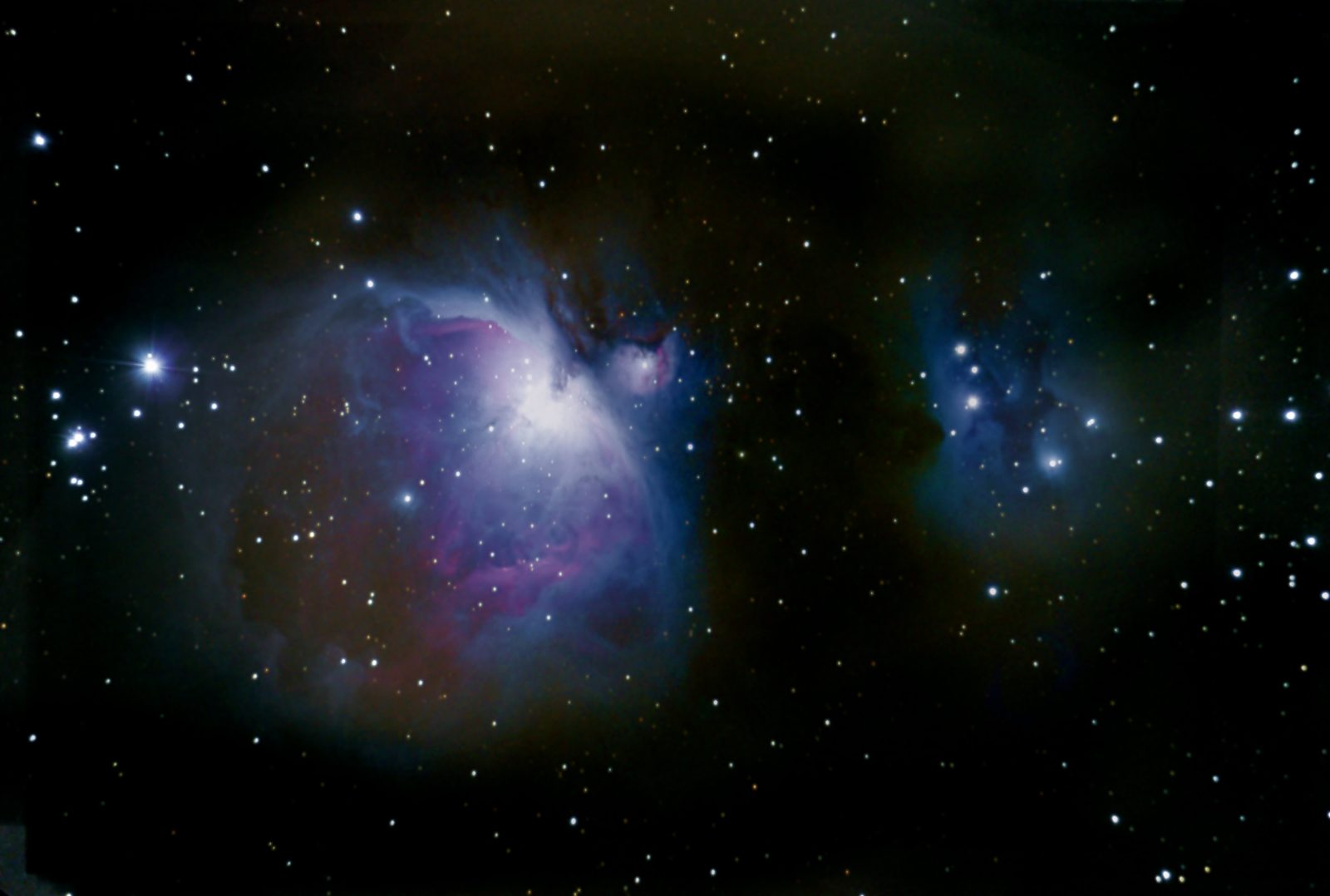
The Great Orion Nebula (M42) and the Running Man Nebula, photographed from Flintstone, Georgia

Flintstone Stargazing

Astronomical observations by a guy in Flintstone, Georgia

M42 – the Great Orion Nebula, February 2009

Category: Astrophotography

September 28, 2007

M51 - The Whirlpool Galaxy

Filed under: astronomy, Astrophotography, Messier Objects, Observation Journal — Tags: M51, Whirlpool Galaxy — Ed @ 10:01 pm


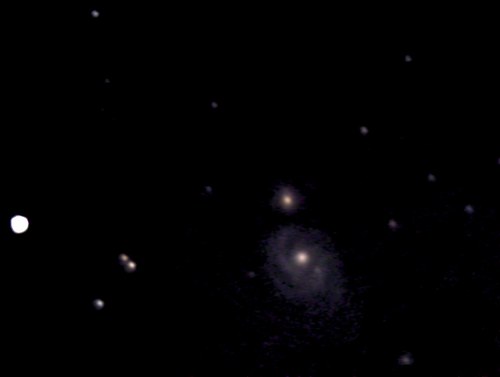
M51-Whirlpool Galaxy on 9/28/07

This is a very long exposure of a very faint object. I've tried to image it before, but it's really dark with decent seeing tonight and so I figured now would be a good time to try. You can see, if you look at the pixelization that this image has been level tweaked extensively to bring out the detail in the galaxy. This brings my Messier Album count up to 24 out of 110.

September 27, 2007

M40 - Maybe the oddest Messier Object?

Filed under: astronomy, Astrophotography, Messier Objects, Observation Journal — Tags: M40 — Ed @ 11:22 pm


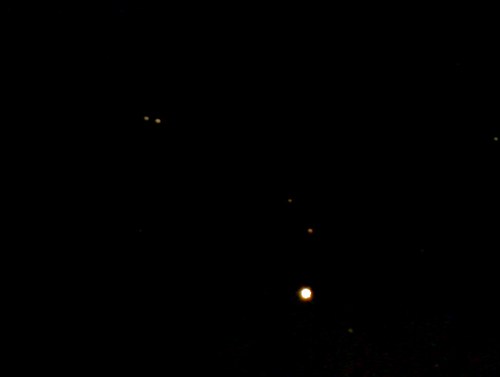
M40 on 9/27/07

The "Double Star" in the upper left quarter of this image is M40 - an object cataloged by Charles Messier in 1764. While I've only seen 25 or so Messier Objects through my telescope, this is the only one that only involves 2 stars. It also seems almost impossible to confuse with a comet (which is a general characteristic of, though not a requirement for, Messier Objects). The wikipedia entry indicates that Messier was looking for a nebula that had been described by someone else, didn't find it and catalogued this instead. Bizarre.

September 26, 2007

September Moon

Filed under: astronomy, Astrophotography, Moon, Observation Journal — Ed @ 7:20 pm


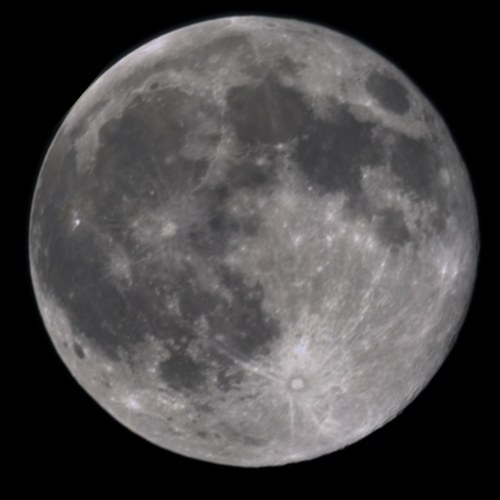
September Moon

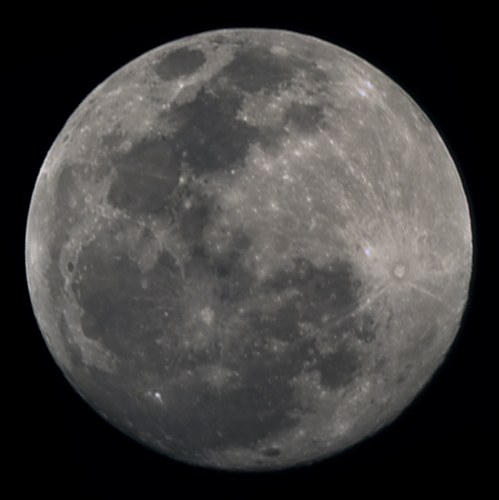
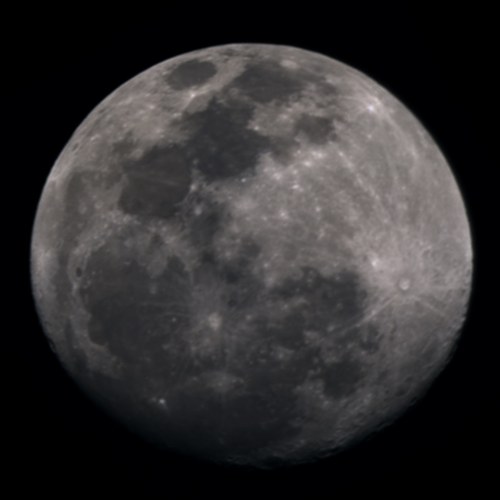
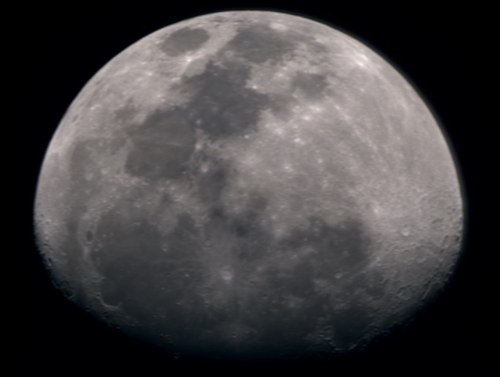
These are the images of the moon I've gotten so far this month. Tonight is the full moon - known as the Harvest Moon. It will be rising around 7:30 and should be high in the sky by 9:30 when I'm planning on getting a photo. I've got some observing planned tonight in addition to the moon - I'm hoping to get 3 or 4 Messier Objects that I don't have yet - and it's looking very promising for stargazing tonight. Of course, that's assuming the moon's glare doesn't wash everything out :).

September 25, 2007

The Moon on 9/25/07

Filed under: astronomy, Astrophotography, Moon, Observation Journal — Ed @ 11:13 pm


The Moon on 9/25/07

Here's tonights moon. As full as it looks and as bright as it is, it won't be full until tomorrow. Tomorrow's full moon is known as the Harvest Moon. I didn't actually realize until just a few days ago that each of the first full moons in a month have names. September's first full moon is the Harvest Moon and August's (which also had a lunar eclipse) was the Sturgeon Moon. Check out the Farmer's Almanac for why each moon is named as it is.

September 24, 2007

What a difference seconds can make

Filed under: astronomy, Astrophotography, Messier Objects, Observation Journal — Tags: M57 — Ed @ 10:10 pm


M57-Ring Nebula Exposure Levels

In responding to a commenter earlier today, I realized it might be a good idea to put together a post discussing how I capture my images and what difference the length of exposure and stacking makes. The above image of M57-Ring Nebula is a composite of 50 different exposures of the nebula that I took this evening. Each row represents a different exposure time and the columns represent the number of images that have been stacked. For example, row 1, column 5 represents 5 1 second images that have been stacked and row 5, column 8 represents 8 15second images that have been stacked.

From this graphic, it's easy to see why you want to stack the largest number of images that you can when getting images of deep space objects like the Messier Objects. The other thing is that you can also see some things that aren't really intuitive. For example, a single 8 second image looks better than 10 1 second images or even 10 2 second images. The reason for this is that the fluctuations in image noise cancel each other out over time and within that one frame, they have already cancelled each other out, particularly when the image is leveled - the more light that has been captured the brighter the objects will be (the greater the signal to noise ratio) and so it will also make the noise lower and the image clearer.

Side note: the fact that the 8 second images are brighter than the 15 second ones is not because they are necessarily better, it's the way the software auto leveled those images. I haven't actually retouched any of the levels in the above image so that we could compare apples to apples. In pretty much all cases, I pull my final images into Photoshop and then adjust levels to pull out details hidden in the images. (I never paint anything or composite with someone else's images - that would be cheating)

Below is a final image I got - 115 15 second images for a total of 1725 seconds (28m 45s). It also automatically discarded at least 50 images that weren't of high enough quality for inclusion in the stack.
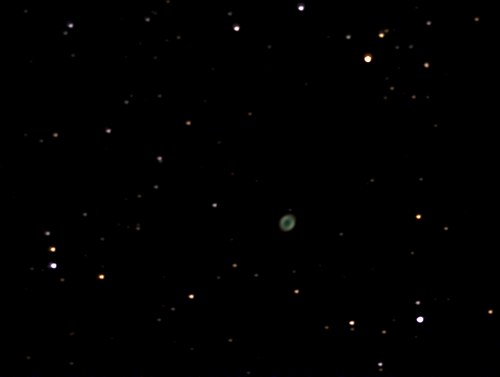
M57-Ring Nebula on 9/24/07
M57-Ring Nebula long exposure
The nearly full Moon

Filed under: astronomy, Astrophotography, Moon, Observation Journal — Ed @ 9:48 pm


The Moon on 9/24/07

The moon is now large enough in the sky that my Meade DSI can't capture the entire thing in the frame at once - I have to capture a top and bottom image and stitch them together in photoshop. The moon is still waxing gibbous and will be full on the 26th, but is 96% of the way there right now. Click here to see all of my shots of the moon - particularly the last week and a half in order.

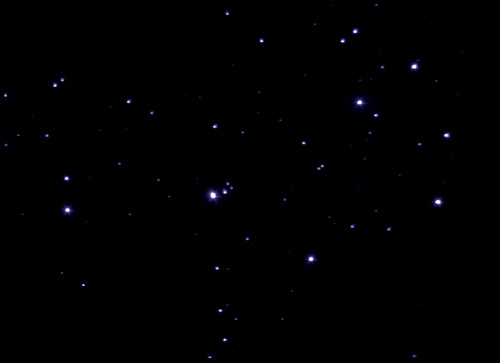
The Seven Sisters


M45 (The Pleiades) on 9/24/07

This image of M45 (The Pleiades also known as The Seven Sisters) is a composite of 8 240sec images stitched together in Photoshop. The Pleiades is one of the most fascinating night sky objects visible to the naked eye. This grouping of stars has been known since ancient times and is mentioned in numerous ancient writings (including the books of Job and Amos) and is also featured in a lot of ancient art. When you see it in the sky it's easy to understand why this grouping of stars is so well known and was so well regarded in ancient times. The close proximity of these very bright stars makes it stand out like a spotlight in the sky.

It comes up late this time of year (after midnight at least from my vantage point), but will come up earlier and earlier as the year progresses until in the Winter it will be visible after sunset.

September 23, 2007

September 22, 2007