Rain - no stargazing tonight.
Thanksgiving is tomorrow and in the spirit of the holiday, I'm actually very thankful for the rain we've been getting today despite the fact that it means no viewing. We need the rain more than I need more images.
Astronomical observations by a guy in Flintstone, Georgia
Thanksgiving is tomorrow and in the spirit of the holiday, I'm actually very thankful for the rain we've been getting today despite the fact that it means no viewing. We need the rain more than I need more images.
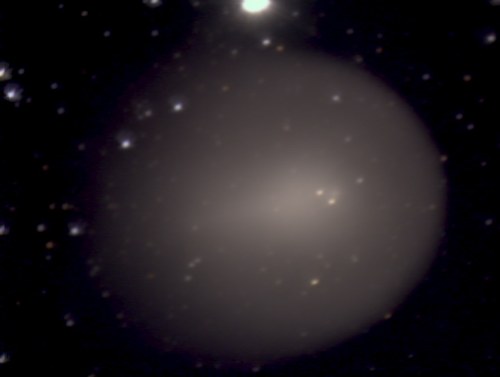
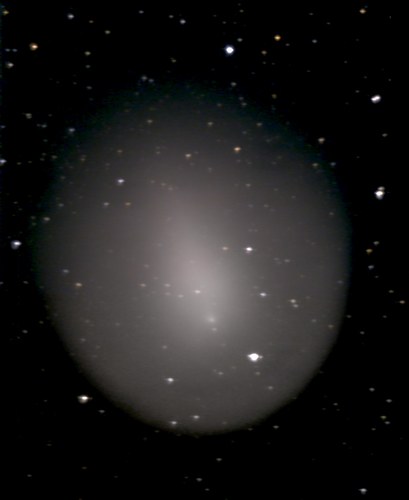
Comet 17P/Holmes has moved off of Alpha Persei and continues to expand. It's getting very hard to pick up visually because it is so diffuse and the moon is so bright. It's still possible to see it with averted vision, but only barely. I'm not sure whether or not it will be naked eye visible for much longer, particularly since the moon will be very bright for the next week or so.
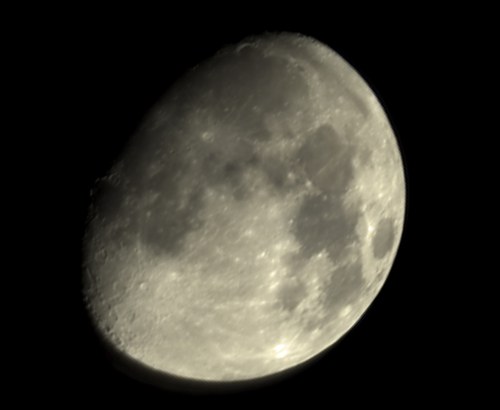
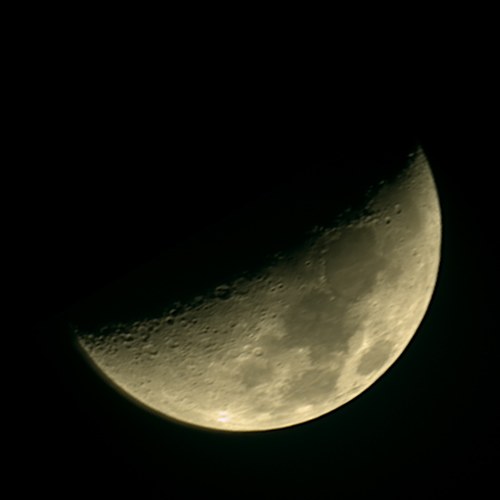
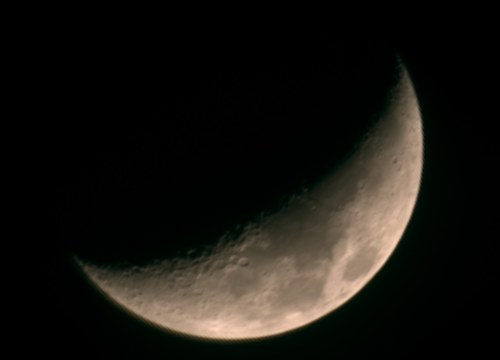
Tonight's moon is waxing gibous and shining brightly though scattered clouds. I was a bit worried when I got outside tonight as there were a lot of clouds, but the've been thinning out and it looks like I should get some decent stargazing in tonight.
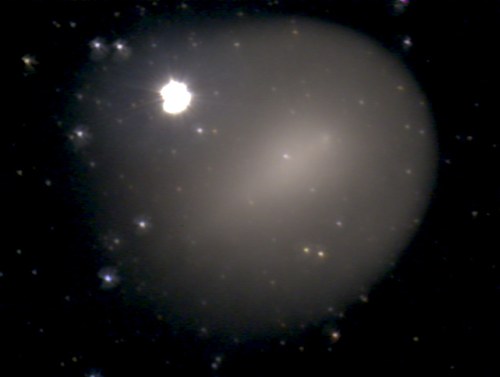
Comet 17P/Holmes continues to develop more of a "proper" tail. I haven't been able to view it the past 2 days and it's quite different now. I also was able to try out my new focal reducer which allows me to take a wider field of view on my images. I didn't have to stitch this together from multiple exposures, which is nice. The super bright star in this is Alpha Persei, also known as Mirfak, which is the brightest star in the constellation Perseus.
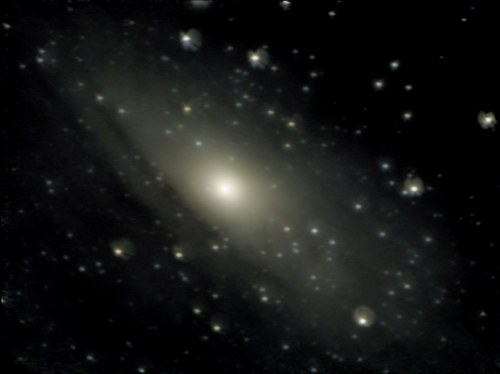
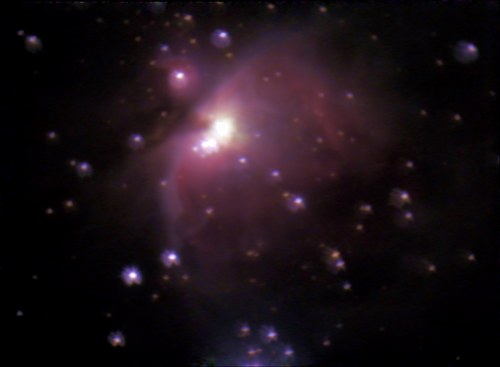
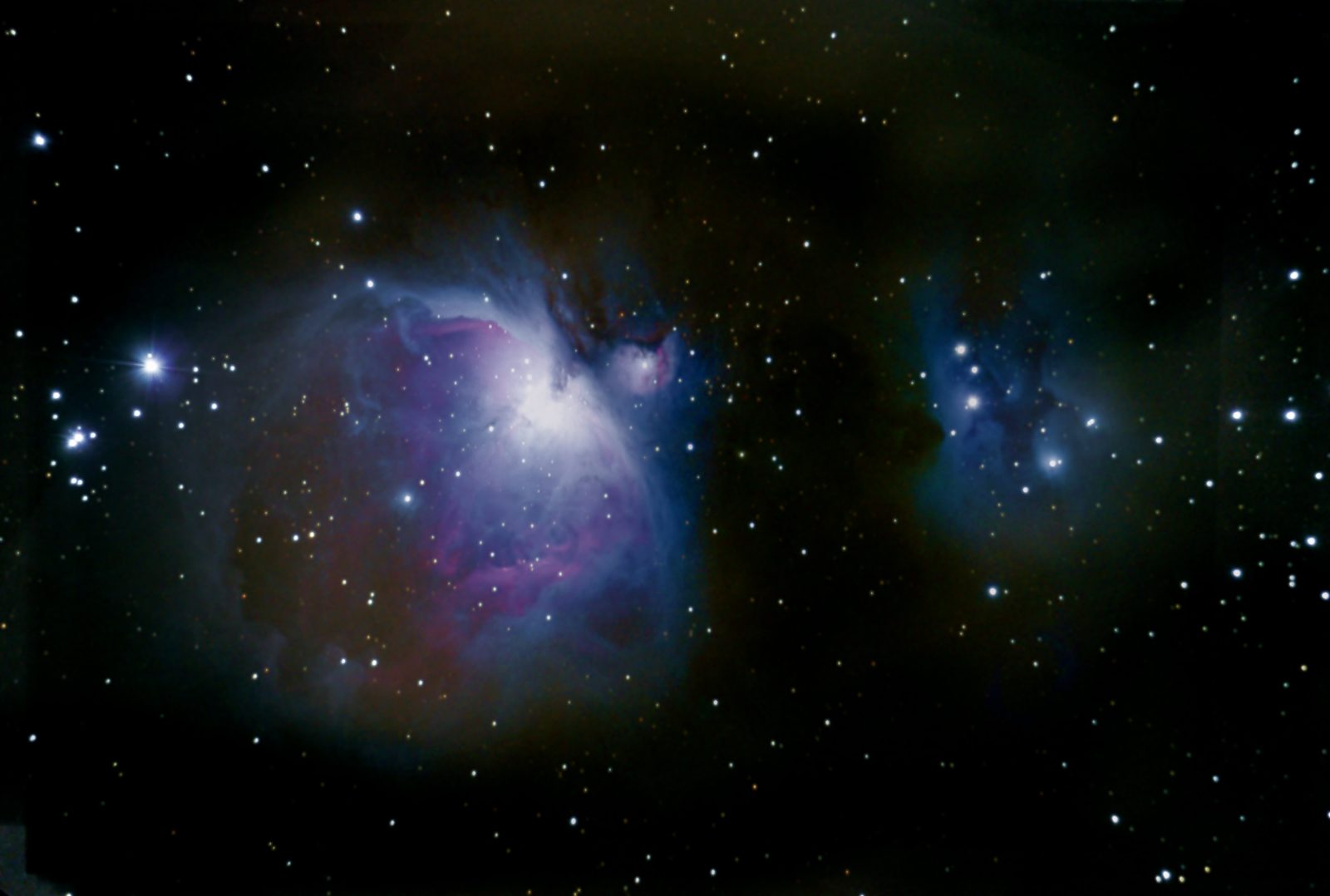
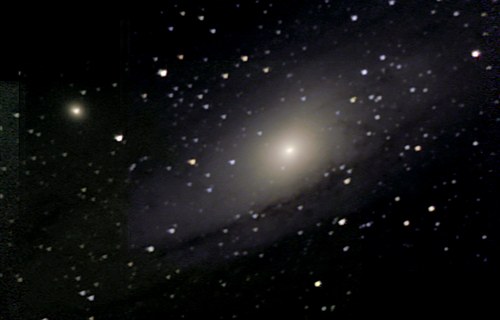
Also, I took these two images (again using the focal reducer) of M31 - The Andromeda Galaxy and M42 - The Great Orion Nebula.
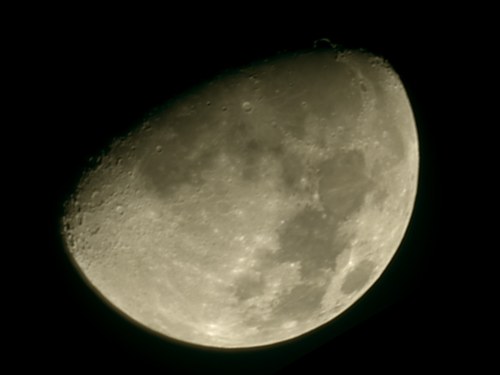
I got started late tonight - around 10pm, but the stars were fantastic, especially considering how bright the moon is. I took this shot of the moon first - I use a slightly different method for capturing it than I normally do (I used Align & Combine instead of Kernel Filter) and I think it really brought out more detail than normal. Tonight, the main thing that's really neat about this image is what I belive is Montes Jura shining in what otherwise is dark shadow on the upper right of the photo. Through the telescope it looked especially crisp. I'm still in my driveway now capturing other images and I'll probably post them tomorrow.
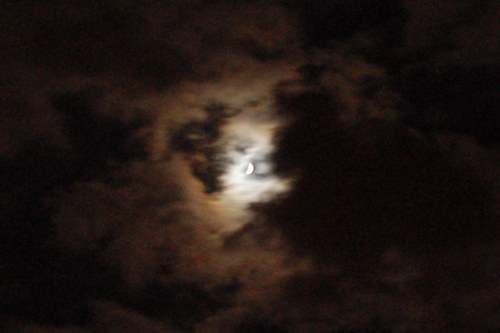
Tonight is almost completely overcast. The Moon has only peeked through a handful of times and spends most of its time essentially invisible - the clouds are so thick that you can't even see where the Moon is. Does that deter me? Of course not! Normally when I take images of the Moon, I'm stacking exposures that are maybe 0.0075 seconds long each (especially the more full the Moon is). This image is a single, non-stacked image of 4 seconds taken through the clouds. I had been able to focus on the moon earlier when it peeked through and I knew that I was trained on it. But, even though I really couldn't see it at all I was able to get this image through the clouds. At the point at which I took this image, I could see a light area in the clouds, but it had no definition at all - yet the telescope with the camera was able to pull out quite a lot of detail. Pretty nifty. At least I thought so.
It's not looking so good right now for stargazing, but I was able to grab this quick shot of the moon through the clouds.
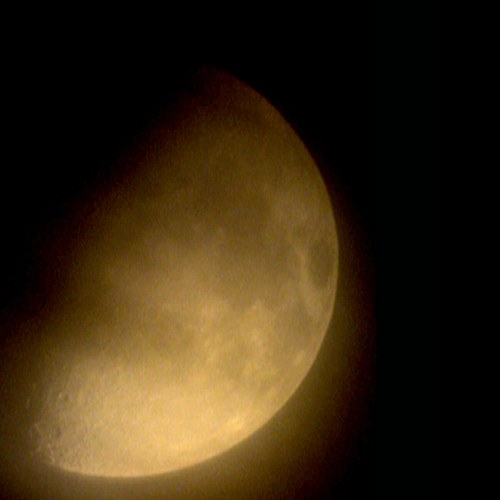
Here's tonight's moon picture. It's even colder tonight than last night, but it's clear and beautiful. The moon, in particular was lovely tonight.
Update: I also took this shot of M31-The Andromeda Galaxy:
The comet's tail is really starting to stretch out now. This is a composite of 3 images in order to get the whole thing. One other thing - this is a composite of 30 second images (I used to use 2 second, then 8, then 15). This brings out more detail in the comet and also shows a lot more of the stars behind the comet. It's getting quite easy to see the large number of stars behind the comet.
Tonight is freezing, but gorgeous. The stars and the Moon are crisp and bright in the sky. Though it doesn't show up here, the parts of the Moon in shadow are lightly lit by Earthshine and its possible to barely make out the maria (or seas). I'm getting my comet photos now and will be uploading once I've stitched everything together.